Understanding Indoor Plant Lighting
When it comes to nurturing indoor plants, good lighting plays an essential role. Plants rely on light as a source of energy for photosynthesis, which is critical for growth and health. Many plant enthusiasts often overlook the significance of proper lighting when setting up their indoor gardens. In this guide, we’ll explore how to provide optimal light conditions for your beloved plants.
Types of Light for Indoor Plants
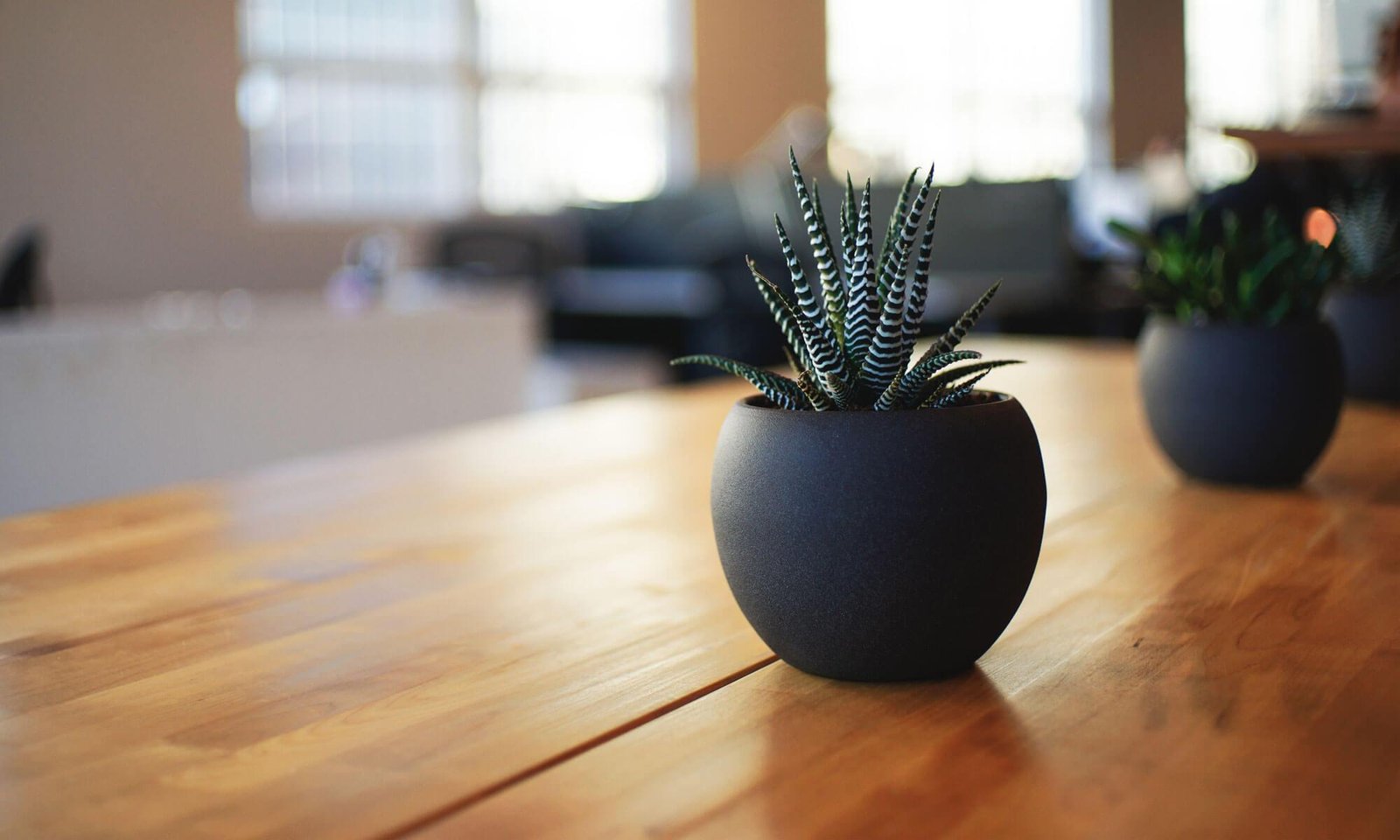
Indoor plants thrive under various light conditions. Natural sunlight is ideal, but not all homes receive sufficient light. There are three main types of light to consider: direct, indirect, and low light. Direct light is intense and is best suited for sun-loving plants like succulents. Indirect light is softer and perfect for leafy plants like pothos. On the other hand, low-light plants like snake plants can survive in dim areas, but they will grow better with some exposure to light.
Artificial Lighting Options
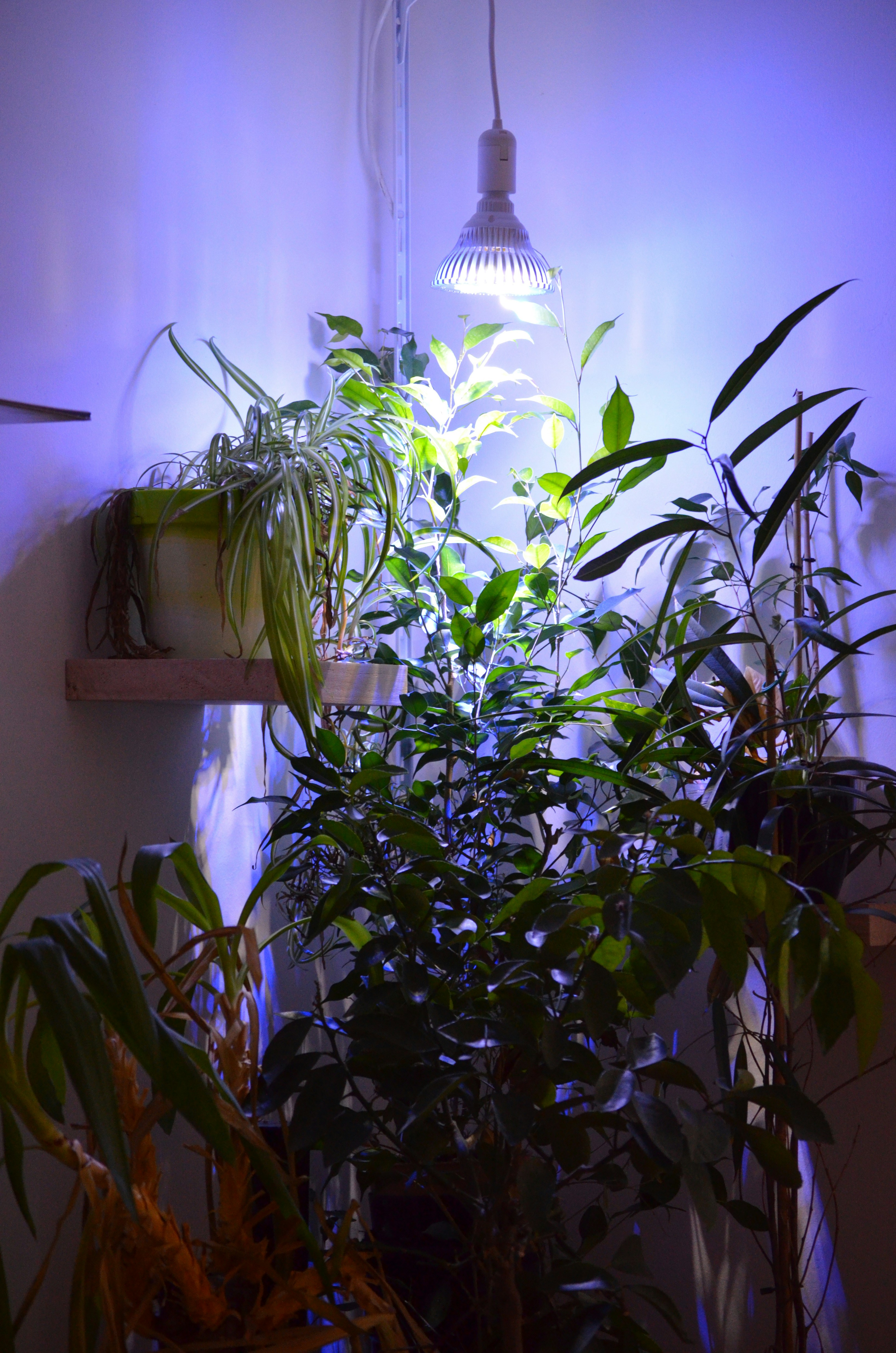
For indoor spaces lacking natural sunlight, artificial lighting can be a lifesaver. Grow lights are specifically designed to imitate natural sunlight and provide the necessary spectrum of light that plants need. LED grow lights are particularly popular due to their energy efficiency and long lifespan. Placing your indoor plants under these lights for a few hours each day can significantly enhance their growth and vitality.
In conclusion, achieving good lighting for your indoor plants is crucial for their overall health. By understanding the types of light and utilizing artificial options when necessary, you can create a thriving indoor garden.