When it comes to nurturing indoor plants, good lighting plays an essential role. Plants rely on light as a source of energy for photosynthesis, which is critical for growth and health. Many plant enthusiasts often overlook the significance of proper lighting when setting up their indoor gardens. In this guide, we’ll explore how to provide optimal light conditions for your beloved plants.
Types of Light for Indoor Plants
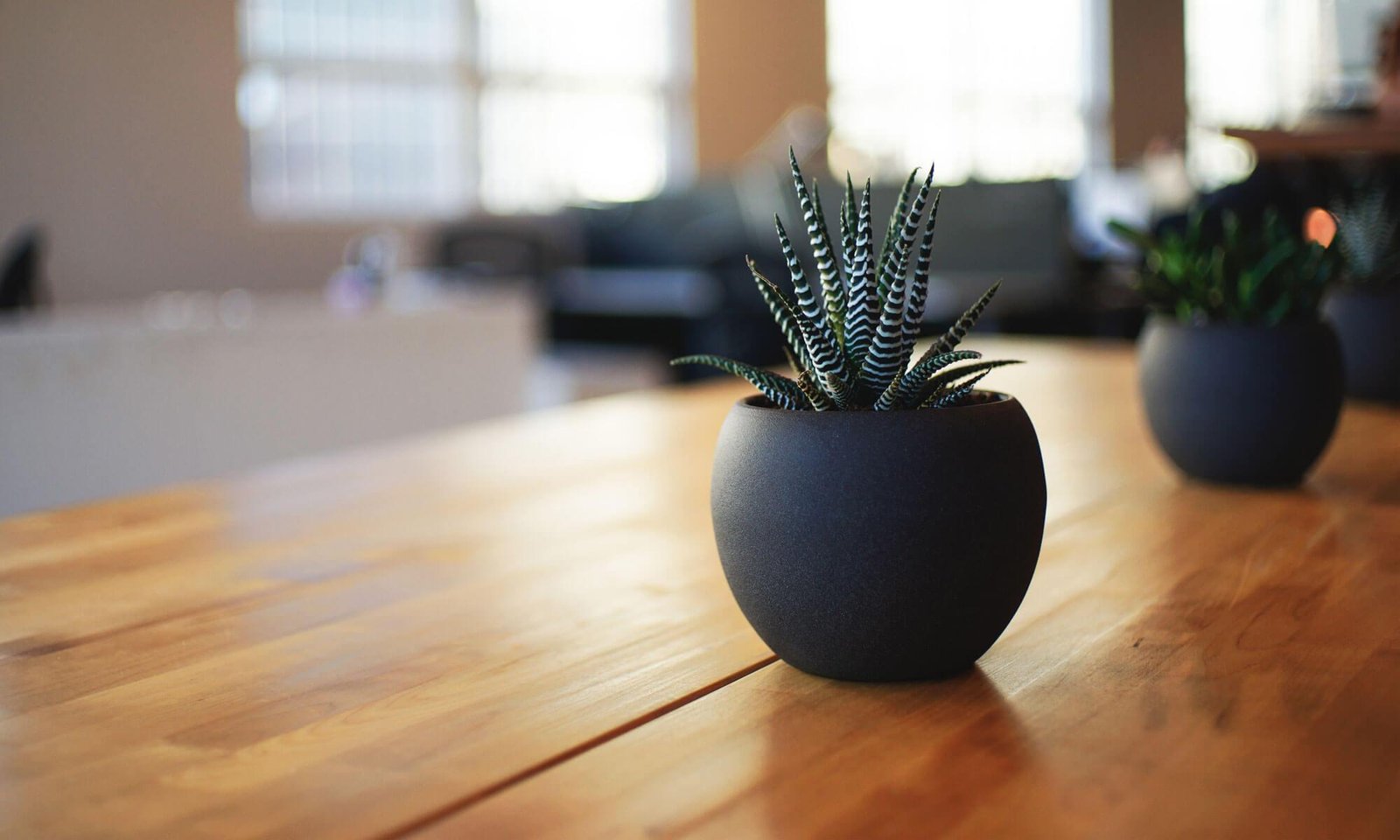
Indoor plants thrive under various light conditions. Natural sunlight is ideal, but not all homes receive sufficient light. There are three main types of light to consider: direct, indirect, and low light. Direct light is intense and is best suited for sun-loving plants like succulents. Indirect light is softer and perfect for leafy plants like pothos. On the other hand, low-light plants like snake plants can survive in dim areas, but they will grow better with some exposure to light.
Artificial Lighting Options
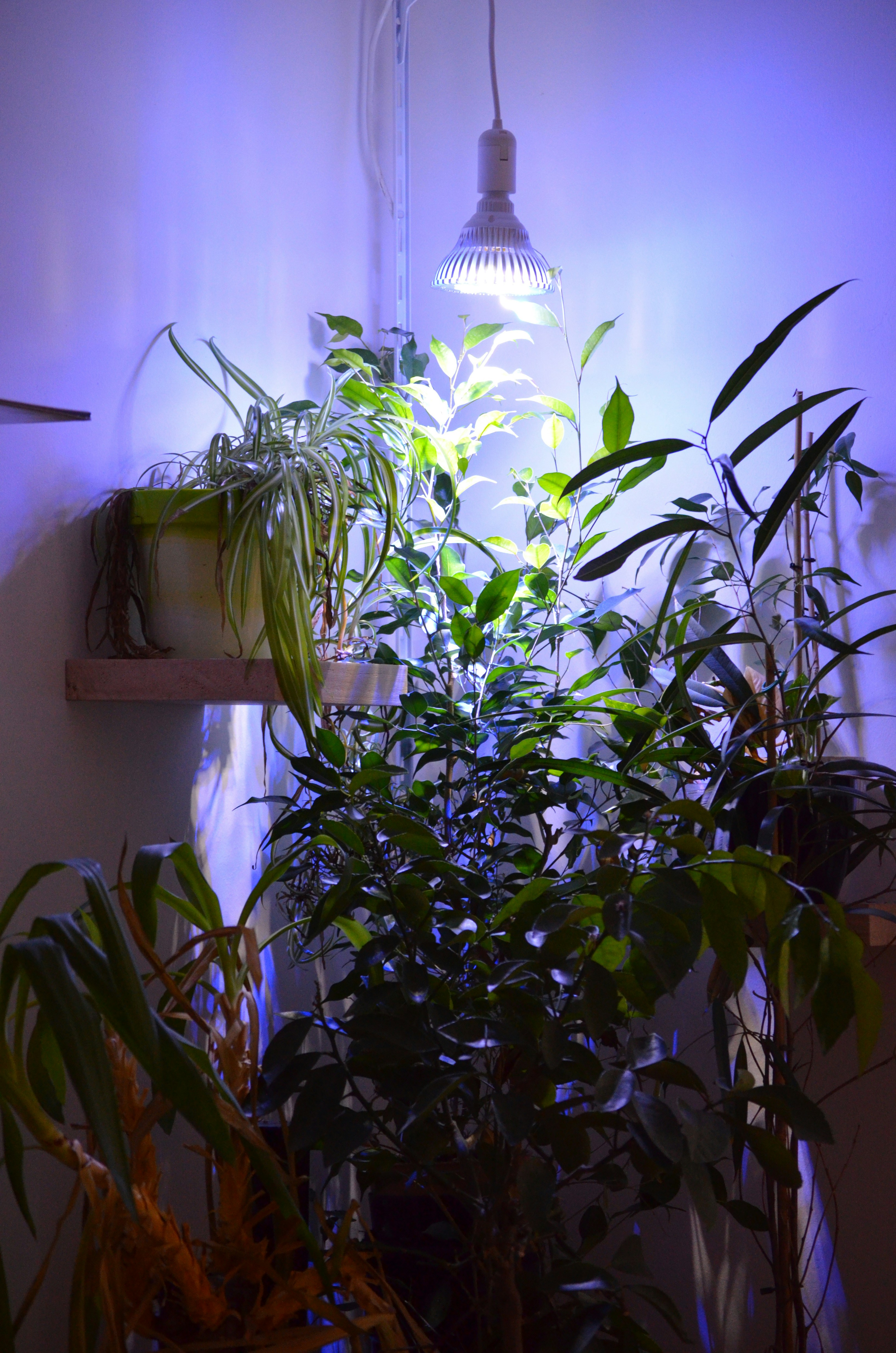
For indoor spaces lacking natural sunlight, artificial lighting can be a lifesaver. Grow lights are specifically designed to imitate natural sunlight and provide the necessary spectrum of light that plants need. LED grow lights are particularly popular due to their energy efficiency and long lifespan. Placing your indoor plants under these lights for a few hours each day can significantly enhance their growth and vitality.
In conclusion, achieving good lighting for your indoor plants is crucial for their overall health. By understanding the types of light and utilizing artificial options when necessary, you can create a thriving indoor garden.
Plants require a variety of nutrients to thrive, and understanding their nutritional needs is essential for fostering optimal growth. These nutrients are categorized into macronutrients and micronutrients, each playing a crucial role in plant health. The primary macronutrients include nitrogen (N), phosphorus (P), and potassium (K), often referred to as NPK. Nitrogen is vital for leaf growth and overall vigor; phosphorus supports root development and flowering; while potassium is essential for water regulation and resistance to diseases.
In addition to these macronutrients, plants also benefit from secondary macronutrients such as calcium, magnesium, and sulfur, as well as a range of micronutrients like iron, manganese, zinc, and copper. Each of these elements contributes to various physiological functions, including chlorophyll production, enzyme activity, and energy transfer within the plant. The specific nutritional requirements can vary significantly among different plant species and depend on their growth stages. For instance, seedlings may need higher levels of nitrogen to promote lush foliage, whereas flowering plants might require more phosphorus for optimal blooming.
To maintain healthy plants, it is important to assess their nutritional status regularly. Signs of nutritional deficiencies can manifest as yellowing leaves, stunted growth, or poor flowering. Gardeners should be aware that over-fertilization can also harm plants, resulting in imbalanced nutrient ratios that can impede growth. A soil test can provide valuable insight into the nutrient levels present in the soil and help determine the appropriate type and quantity of fertilizer necessary for each plant type.
In conclusion, understanding the nutritional needs of plants is fundamental for successful gardening. By recognizing the importance of both macro and micronutrients, and monitoring their availability, gardeners can ensure their plants receive the necessary support for robust growth and vitality.
Types of Fertilizers: Organic vs. Synthetic
Fertilizers play a crucial role in enhancing plant growth and ensuring optimal harvests. They can generally be classified into two primary categories: organic and synthetic. Each type has distinct characteristics that affect their application and overall impact on plant growth, soil health, and the environment.
Organic fertilizers are derived from natural sources such as compost, manure, and bone meal. They enrich soil quality by improving its structure, enhancing microbial activity, and promoting nutrient retention. One significant advantage of organic fertilizers is their slow-release nature, which ensures that nutrients are available to plants over an extended period. Furthermore, organic choices are less likely to cause nutrient runoff, thereby minimizing their environmental impact. However, organic fertilizers often provide lower nutrient concentrations and may be more labor-intensive to apply.
In contrast, synthetic fertilizers are chemically formulated products that deliver nutrients to plants in concentrated forms. Common examples include ammonium nitrate, potassium sulfate, and urea. Synthetic fertilizers are appreciated for their immediate availability, enabling rapid nutrient uptake by plants. This quick action can result in fast plant growth and higher yields, making them a preferred choice for commercial agriculture. However, concerns about their long-term effects on soil health and the environment persist, including soil acidification and disruption of beneficial soil organisms.
Choosing between organic and synthetic fertilizers largely depends on individual gardening conditions and objectives. For those focused on sustainability and organic gardening, the use of organic fertilizers aligns well with eco-friendly practices. Meanwhile, synthetic fertilizers may be ideal for achieving quick results in high-demand agricultural settings. Understanding when and why to use each category can contribute significantly to nurturing healthy plants and promoting sustainable gardening practices.
Best Practices for Fertilizing Your Plants
Fertilizing your plants effectively requires an understanding of several best practices that contribute to optimal growth. Timing and frequency are crucial factors in the fertilization process. Generally, plants benefit from regular feeding during their active growing seasons, which varies depending on the species. For instance, flowering plants typically require more frequent applications during their blooming period, while perennials may need less frequent feeding. It is essential to monitor your plants closely to determine the ideal fertilization schedule that matches their growth stages.
Accurate measurement and method of application are equally important in avoiding plant harm while delivering nutrients effectively. Over-application of fertilizers can lead to nutrient burn, while under-application may hinder growth. To apply fertilizers properly, it is advisable to follow the instructions provided on the fertilizer packaging, which includes recommended amounts based on plant size and type. Additionally, using measuring tools such as scoops or scales can help ensure that you apply the right proportions.
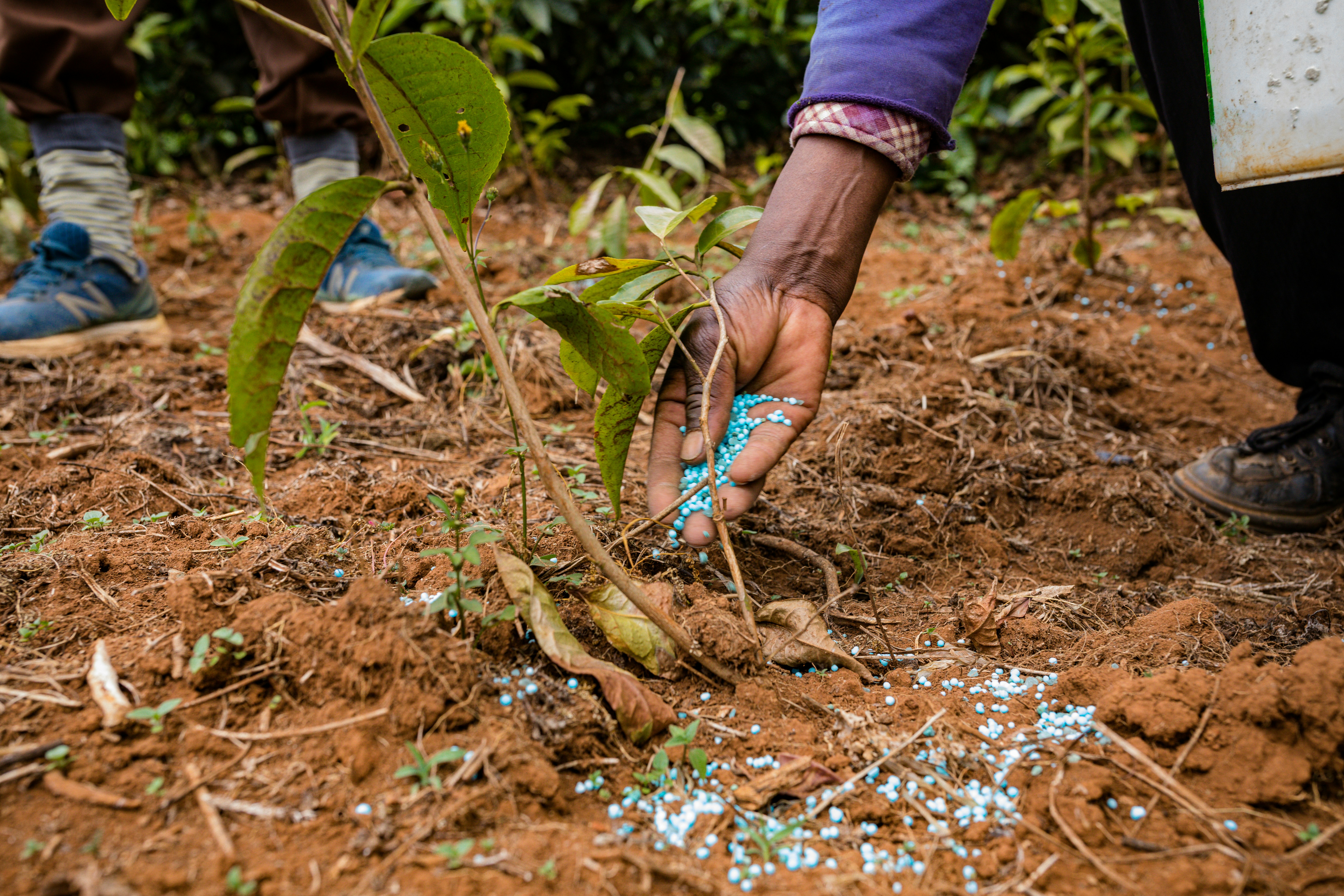
Incorporating fertilizers into the soil is another key consideration. This can be achieved through various methods such as side-dressing, where fertilizers are applied to the soil surface around the plants, or by mixing them into the top layer of soil before planting. Foliar feeding is another effective technique that involves spraying a diluted fertilizer solution directly onto the leaves of plants. This method allows for quick absorption and is particularly useful for addressing nutrient deficiencies promptly.
Lastly, using fertilizer spikes is a convenient approach for those seeking a slow-release option. These pre-measured spikes can be inserted into the soil at regular intervals, ensuring a consistent supply of nutrients over time. By selecting the right fertilization method tailored to your gardening needs, you can significantly enhance plant health and vigor.
Common Mistakes to Avoid When Fertilizing
Fertilizing is an essential aspect of plant care, but many gardeners fall victim to common mistakes that can hinder their plants’ growth. One of the primary errors is over-fertilization, which occurs when too much fertilizer is applied, leading to nutrient burn. This condition can damage root systems and impede the overall health of the plants. To avoid this pitfall, always follow the recommended dosage on the product label and consider starting with a lower amount, gradually increasing it based on your plants’ responses.
Another frequent mistake is choosing the wrong fertilizer for specific plants. Different plants have varying nutrient requirements; for instance, flowering plants may need higher phosphorus levels, while leafy vegetables may thrive on nitrogen-rich fertilizers. Failure to understand these needs can result in stunted growth or even plant deterioration. To ensure the best results, conduct a little research on your plants before selecting a fertilizer type.
Timing is equally important in the fertilization process. Applying fertilizer at the wrong time, such as during dormancy for certain perennials, can negatively impact the plants’ ability to absorb nutrients. Fertilizing during the active growing season generally yields the best results. Additionally, consider soil testing to identify existing nutrient levels and tailor your fertilization regimen accordingly.
Misunderstanding plant needs is another common oversight. Plants may exhibit symptoms that could be misinterpreted as a need for more fertilizer. However, these could stem from issues such as poor drainage or pest infestations. Therefore, it is crucial to correctly diagnose the problem before adjusting your fertilization practices. By being mindful of these frequent mistakes, you can refine your fertilization routine and significantly enhance the vitality of your plants.
Indoor planters are essential for anyone looking to brighten their living space with houseplants. Not only do they add a touch of nature to your home, but they also help create a pleasant environment. When selecting indoor planters, consider factors such as size, material, and drainage to ensure your houseplants thrive.
Popular Materials for Indoor Planters
Indoor planters are available in various materials, each offering unique benefits. Ceramic planters are popular for their aesthetics and weight, providing stability for taller plants. Plastic planters are lightweight and come in various styles, making them easy to move around. Additionally, terracotta pots are porous, promoting healthy root systems by allowing moisture to evaporate effectively.
Creating a Green Atmosphere
Using good indoor planters can significantly enhance your home’s atmosphere. Planting a mix of greenery in different types of indoor planters can create an engaging visual experience. Consider grouping your planters to form a lively indoor garden. This not only maximizes space but also makes watering and maintenance more manageable.
In summary, good indoor planters are crucial for nurturing houseplants and elevating the look of your living spaces. When choosing the right planters, take into consideration the material, size, and design to find the perfect match for your plants. Happy planting!